
With 75% of B2B buyers using social media to inform purchase decisions, LinkedIn posts have become essential for brand strategy. This guide shows you how to leverage LinkedIn posts for influencer marketing campaigns that drive measurable brand visibility and engagement. You’ll discover practical frameworks for creating, measuring, and optimizing LinkedIn content that connects with decision makers and amplifies your brand message through strategic influencer partnerships.
Table of Contents
- Understanding LinkedIn’s Unique Role In B2B Brand Strategy
- How LinkedIn Posts Support Influencer Marketing And Brand Visibility
- Measuring And Optimizing LinkedIn Post Performance For Your Brand Strategy
- Crafting Effective LinkedIn Posts To Enhance Brand Strategy And Influencer Campaigns
- Unlock Your LinkedIn Influencer Marketing Potential With Kawaak
Key takeaways
| Point | Details |
|---|---|
| LinkedIn posts drive B2B decisions | Posts influence 75% of B2B buyers during their purchase journey, making them critical for brand strategy. |
| Strategic posting boosts visibility | Consistent, valuable content increases brand awareness and positions your company as a thought leader. |
| Influencer campaigns deliver ROI | The B2B influencer market will reach $34.1 billion by 2026, offering substantial growth opportunities. |
| Measurement refines strategy | Tracking engagement rates and conversions enables data-driven optimization of your LinkedIn approach. |
| Content variety shapes perception | Mixing formats like video, polls, and text posts creates a dynamic brand presence that resonates. |
Understanding LinkedIn’s unique role in B2B brand strategy
LinkedIn operates differently than other social platforms because it’s built for professional networking and business relationships. Decision makers actively seek insights and solutions here, making it the most effective channel for B2B brand building.
The platform’s professional context means your posts reach people in work mode, actively researching solutions and evaluating vendors. When 75% of B2B buyers rely on social media for purchase decisions, LinkedIn’s environment makes it the natural choice for brand strategy. Users expect business content and engage with posts that offer genuine value.
Compared to other platforms, LinkedIn delivers superior lead quality and conversion rates for B2B brands. Your posts appear in feeds alongside industry news and professional discussions, giving them immediate credibility. This context transforms every post into a brand building opportunity.
Social proof matters immensely on LinkedIn. When colleagues and industry peers engage with your posts, they signal trust to their networks. Each like, comment, and share extends your reach to qualified audiences who value peer recommendations.
Consistent posting establishes your brand as a reliable resource. You can explore more about LinkedIn marketing benefits for B2B lead conversion to understand the full scope of opportunities available.
Authentic content wins on LinkedIn because users quickly spot promotional fluff. Focus your posts on:
- Solving specific problems your audience faces daily
- Sharing data-backed insights that inform better decisions
- Telling stories that humanize your brand and demonstrate expertise
- Offering frameworks and tools that provide immediate value
Pro Tip: Build a content calendar that balances educational posts with thought leadership to maintain consistent visibility without overwhelming your audience.
How LinkedIn posts support influencer marketing and brand visibility
LinkedIn posts become exponentially more powerful when amplified through influencer partnerships. Industry experts and executives bring established audiences and credibility that accelerate your brand’s reach among target decision makers.
Influencers create authentic narratives around your brand that resonate more deeply than traditional advertising. Their posts frame your solutions within real world contexts and challenges their followers face. This approach builds trust faster because recommendations come from respected voices rather than corporate accounts.

The influencer marketing market reaching $34.1 billion by 2026 reflects how B2B brands recognize this channel’s effectiveness. LinkedIn’s professional environment makes it ideal for these partnerships because influencer posts appear alongside organic professional content.
Targeted influencer audiences deliver quality over quantity. A post from the right industry expert reaches hundreds or thousands of qualified prospects who already trust that voice. This focused amplification generates higher engagement and conversion rates than broad reach campaigns.
Executive endorsements through LinkedIn posts create powerful credibility signals. When recognized leaders share or create content featuring your brand, they transfer authority and trust to your solutions. Their followers view these endorsements as informed recommendations from sources they respect.
Engagement metrics on influencer posts reveal campaign effectiveness in real time. Comments, shares, and click-throughs show exactly how audiences respond to your brand message. You can learn strategies for leveraging LinkedIn industry experts to boost your marketing results.
Successful influencer campaigns require strategic alignment between your brand message and influencer expertise. The most effective posts naturally integrate your solutions into content that already serves the influencer’s audience. This seamless integration maintains authenticity while delivering brand visibility.
Implementing effective influencer vetting for B2B ROI ensures you partner with voices that genuinely resonate with your target market.
Key elements of effective influencer posts include:
- Clear alignment between influencer expertise and your brand positioning
- Authentic storytelling that showcases real applications of your solutions
- Strategic calls to action that guide audiences toward next steps
- Content formats that match both influencer style and audience preferences
Pro Tip: Collaborate with influencers during content planning rather than just post creation to ensure their posts authentically integrate your brand story and resonate with their specific audience.
Measuring and optimizing LinkedIn post performance for your brand strategy
Effective measurement transforms LinkedIn posts from guesswork into a predictable brand building engine. The right metrics reveal what resonates with your audience and where to invest your resources for maximum impact.
Engagement rate measures how actively your audience interacts with posts relative to reach. Track likes, comments, shares, and clicks to understand which content types spark conversations. High engagement signals that your message aligns with audience interests and needs.
Click-through rate shows how effectively your posts drive action. When you include links to resources, landing pages, or content, CTR reveals whether your call to action compels readers to take the next step. This metric directly connects posts to lead generation.
Conversion tracking links LinkedIn activity to business outcomes. By monitoring how post engagement translates to form fills, demo requests, or sales conversations, you understand true ROI. Since 75% of B2B buyers use social media for decisions, tracking this journey proves posts’ business impact.
| Metric | Benchmark | Measurement Tool |
|---|---|---|
| Engagement Rate | 2-5% for B2B posts | LinkedIn Analytics, third-party platforms |
| Click-Through Rate | 0.5-2% average | UTM parameters, analytics dashboards |
| Lead Conversion | 1-5% of clicks | CRM integration, conversion pixels |
| Share Rate | 0.5-1% indicates viral potential | Native platform metrics |
Optimizing performance requires systematic analysis and refinement. Follow these steps:
- Establish baseline metrics across your current posts to understand starting performance
- Identify top performing content by format, topic, and posting time
- Test variables like headlines, visuals, and post length through controlled experiments
- Adjust your content mix based on what drives highest engagement and conversions
- Monitor competitor performance to identify gaps and opportunities
- Scale successful approaches while pruning underperforming content types
Understanding LinkedIn engagement rate benchmarks and strategies helps you set realistic targets and identify improvement opportunities.
Aligning post goals with broader brand and sales objectives ensures your LinkedIn strategy contributes to business growth. Every post should serve a purpose within your marketing funnel, whether building awareness, nurturing consideration, or driving conversions. Learn more about measuring LinkedIn ROI to connect activity to outcomes.
Strategic alignment requires mapping posts to buyer journey stages. Awareness posts introduce problems and trends, consideration content showcases solutions and differentiators, and decision stage posts provide proof points and calls to action. This approach can deliver significant returns when you align marketing goals on LinkedIn.
Pro Tip: Run A/B tests on post formats, publishing times, and content angles to discover what resonates most with your specific audience rather than relying on generic best practices.
Crafting effective LinkedIn posts to enhance brand strategy and influencer campaigns
Different post formats serve distinct purposes in your LinkedIn strategy. Text posts excel at sharing insights and sparking discussions, video content captures attention and explains complex ideas, polls generate engagement and gather audience input, and articles establish deep thought leadership.
Text posts remain LinkedIn’s most versatile format. They load instantly, appear fully in feeds, and encourage comments. Use them for quick insights, questions that spark discussion, or condensed frameworks that provide immediate value. Keep them scannable with short paragraphs and clear takeaways.
Video posts generate 5x more engagement than text alone. They humanize your brand through faces and voices while explaining concepts that text struggles to convey. Keep videos under 90 seconds, add captions for silent viewing, and deliver value in the first 3 seconds.
Polls drive engagement by inviting participation. They generate quick wins through votes while providing audience insights. Use polls to test ideas, gather preferences, or start conversations about industry trends.
Articles position you as a thought leader through in-depth analysis. They appear on your profile permanently and rank in search results. Reserve articles for comprehensive guides and detailed frameworks that deserve more than a standard post.
| Format | Engagement Potential | Reach | Best For |
|---|---|---|---|
| Text Posts | High for discussions | Organic reach varies | Quick insights, questions, frameworks |
| Video Posts | Highest overall | Strong algorithm boost | Explanations, demonstrations, stories |
| Polls | Very high interaction | Good for quick wins | Audience research, conversation starters |
| Articles | Lower but targeted | SEO benefits | Thought leadership, comprehensive guides |
The influencer marketing market at $34.1 billion demonstrates the value of strategic content partnerships that amplify your message.
Compelling headlines make or break post performance. Your headline must communicate clear value in 8 words or less. Avoid clickbait but do create curiosity. Specific numbers, provocative questions, and bold statements all capture attention.
Calls to action guide readers toward next steps. Be direct about what you want: ask a question to spark comments, link to a resource for those wanting details, or invite connection with people interested in the topic. Strong CTAs convert passive readers into engaged community members.
Aligning posts with influencer campaign themes creates cohesive brand narratives. When your owned content and influencer posts reinforce the same messages, you build stronger recognition and recall. Coordinate topics, hashtags, and key phrases across all LinkedIn activity.
Developing personal branding on LinkedIn strengthens your overall content strategy by adding human voices to corporate messages.
Authenticity trumps polish on LinkedIn. Users respond to genuine insights and real experiences more than perfectly crafted corporate messaging. Share lessons from failures, admit uncertainty about industry trends, and showcase the humans behind your brand.
Value-driven content builds long-term relationships. Every post should leave readers better informed or equipped than before. Ask yourself whether each post teaches something useful, provides a new perspective, or solves a specific problem.
Executive branding on LinkedIn can boost credibility by up to 65% when leaders share authentic insights.
Best practices for LinkedIn post creation include:
- Hook readers in the first line with a surprising fact or compelling question
- Use white space and short paragraphs to improve readability
- Include relevant visuals that add meaning rather than generic stock photos
- Tag relevant people and companies to expand reach and build relationships
- Post during business hours when your audience is active on the platform
- Respond promptly to comments to encourage deeper conversations
Unlock your LinkedIn influencer marketing potential with Kawaak
Ready to transform your LinkedIn strategy from scattered posts into systematic brand building? Kawaak connects you with the right LinkedIn creators to amplify your message and drive measurable results.
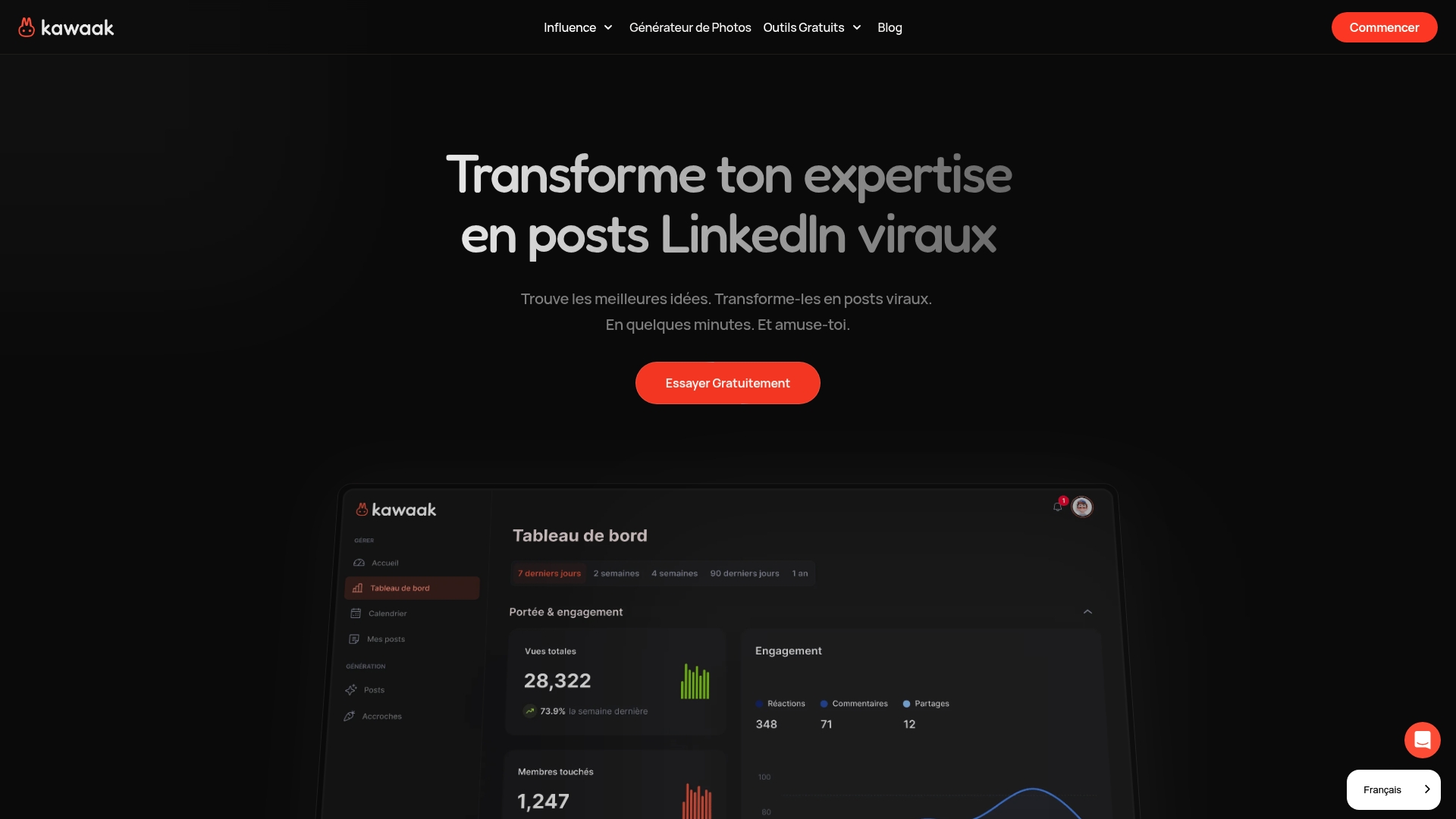
Our platform simplifies launching and managing influencer campaigns specifically designed for LinkedIn’s B2B environment. You gain access to vetted creators whose audiences match your target market, along with tools to track performance and optimize ROI throughout your campaigns.
Kawaak’s campaign launch tools let you design influencer partnerships that align with your brand strategy and business goals. From initial outreach through post publication and performance tracking, everything happens in one streamlined workspace.
Creators on our platform monetize their LinkedIn presence through sponsored posts that maintain authenticity while delivering your brand message. This win-win approach ensures influencers remain genuinely engaged with the content they create for your campaigns.
Our influence campaign features are purpose-built for B2B marketers who need more than vanity metrics. You’ll measure real business impact through lead generation, engagement quality, and conversion tracking that connects LinkedIn activity to revenue.
Explore how Kawaak helps brands like yours achieve LinkedIn influencer marketing success. Review our business program policies to understand how we protect your brand and ensure campaign quality.
FAQ
How often should I post on LinkedIn to maximize brand visibility?
Post 3-5 times per week to maintain consistent visibility without overwhelming your audience. Quality matters more than quantity, so focus on valuable content rather than hitting arbitrary posting targets. Balance frequency with your capacity to create genuinely useful posts.
What types of LinkedIn posts generate the highest engagement for B2B brands?
Video posts, polls, and informative text updates typically deliver the strongest engagement. Posts offering actionable insights, authentic stories, and practical frameworks resonate most with B2B audiences. Test different formats to discover what works best for your specific audience.
How can I measure the success of influencer marketing campaigns on LinkedIn?
Track engagement rates, lead conversions, and referral traffic to assess campaign performance. Use LinkedIn Analytics combined with UTM parameters and CRM integration to connect influencer posts to business outcomes. Monitor both quantitative metrics and qualitative feedback through comments and messages.
Should I focus on organic posts or paid promotion for LinkedIn brand strategy?
Build a foundation with consistent organic posts that establish credibility and audience relationships. Layer in paid promotion to amplify your best performing content and reach new audiences. The most effective LinkedIn strategies combine both approaches strategically.
How do I choose the right LinkedIn influencers for my brand campaigns?
Evaluate potential influencers based on audience alignment, engagement quality, content authenticity, and subject matter expertise. Look beyond follower counts to assess whether their audience matches your target market. Request examples of previous sponsored content to gauge their approach to brand partnerships.
Recommended
- How to align marketing goals on LinkedIn: 520% ROI guide 2026 – Kawaak
- Master your LinkedIn workflow for marketing success in 2026 – Kawaak
- Personal branding on LinkedIn for B2B influence 2026 – Kawaak
- LinkedIn Marketing Benefits 2026: 80% B2B Leads & 2x CVR – Kawaak
- Marketing Digital em 2026: O Que Muda para Crescer